
.png)
This ultimate checklist walks you through every category of document you should consider collecting ahead of time — and why each item matters for your taxes.

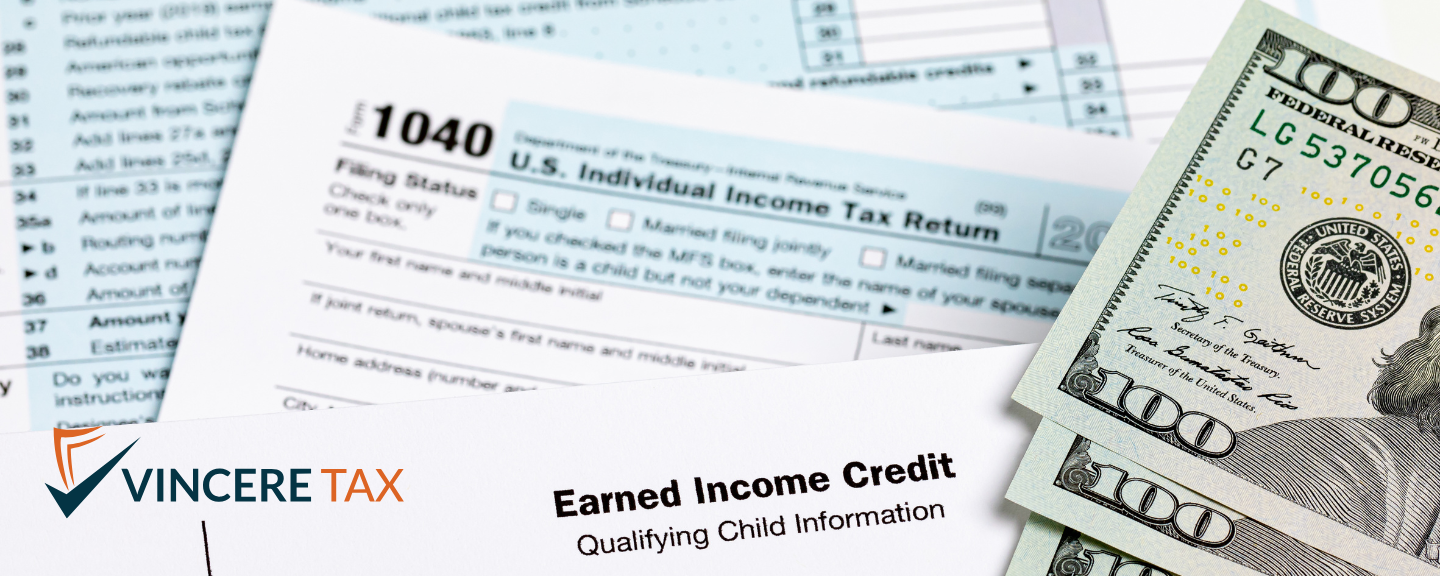
Tax season doesn’t have to be stressful — especially when you start organizing. Whether you’re a W‑2 employee, freelancer, small business owner, investor, or side hustler, having the right documents ready before you file can make 2026 your smoothest tax year yet.
As tax laws evolve (with some major provisions scheduled to shift after 2025), gathering your records early, understanding what matters for your situation, and keeping everything in one place will help you avoid surprises, claim all eligible deductions and credits, and file with confidence. This ultimate checklist walks you through every category of document you should consider collecting ahead of time — and why each item matters for your taxes.
A well‑organized tax filing isn’t just about “getting it done.” It’s about accuracy, maximizing your tax benefits, and protecting yourself in case the IRS ever asks questions. Having all your documents ready before you start your return means you won’t miss key deductions or credits, and you’ll avoid costly last‑minute scrambles that lead to errors or overlooked opportunities.
For 2026 filings (which cover income and activity from 2025), a comprehensive document set can make the difference between a seamless filing and a stressful one.
Below is a comprehensive list of documents to gather. Not every box will apply to everyone — your life and financial picture determines what you need.
These prove the money you earned during the year and are required to report income accurately:
Properly reporting all income — including payments that may not generate a form — is a foundational IRS requirement and helps prevent issues down the road.
These items support the deductions and credits you may claim to reduce taxable income:
Gathering these early ensures you capture all eligible deductions and credits — especially those that require documentation of date, amount, and purpose.
If you run a business, freelance, or earn side income, accurate records are even more important:
Good documentation helps you defend your deductions and supports depreciation, Section 179 expensing, and other business tax strategies.
Income from investments or rental activities may require additional documents:
Accurate tracking of investments — especially crypto — is critical because the IRS expects complete reporting of gains, losses, and cost basis.
Good organization now pays dividends later.

1. What forms will employers and financial institutions send me in early 2026?
Most income reporting forms — such as W‑2s and 1099s — are issued in January or February 2026 for income earned in 2025. These are essential for accurate federal and state tax filing.
2. Are digital receipts acceptable to the IRS?
Yes, digital receipts are fully acceptable as long as they are clear, readable, and linked to a legitimate business or deductible expense. The IRS does not require paper copies if digital documentation is complete.
3. How long should I keep tax records?
The IRS generally recommends keeping records for at least three years after the date you file your return. However, for investment and property records, keep them until the asset is sold plus three years.
4. Do I need to keep every receipt?
Keep receipts that support deductible expenses. If an expense is not deductible, or if the amount is trivial and undocumented, it may not be worth preserving. When in doubt, hold it.
5. What if I didn’t get a 1099 for income I earned?
You are still responsible for reporting all income — even if you didn’t receive a form. Bank statements, payment processor records, or your own logs can be used to reconstruct income for filing.
Having everything ready before you start your return is one of the best ways to reduce anxiety and improve accuracy. The ultimate tax document checklist ensures you’re covered across income, deductions, business activity, investments, and credits.
Starting early and staying organized doesn’t just make filing easier — it increases your chances of maximizing deductions and lowering your tax bill.
Tax preparedness is financial empowerment. Let this checklist be the foundation of a stress‑free 2026 filing experience.
This blog is for informational purposes only and is not intended to provide legal, tax, or financial advice. Tax laws and IRS procedures may change, and each individual’s situation is unique. Consult with a qualified tax professional for advice tailored to your specific circumstances. Vincere Tax assumes no responsibility for actions taken based on the information contained in this article.
I hope this information was helpful! If you have any questions, feel free to reach out to us here. I’d be happy to chat with you.
Vincere Tax can help you with the tax implications of business taxes, stocks, bonds, ETFs, cryptocurrency, rental property income, and other investments.
Being audited is comparable to being struck by lightning. You don't want to practice pole vaulting in a thunderstorm just because it's unlikely. Making sure your books are accurate and your taxes are filed on time is one of the best ways to keep your head down during tax season. Check out Vincere's take on tax season!

This post is just for informational purposes and is not meant to be legal, business, or tax advice. Regarding the matters discussed in this post, each individual should consult his or her own attorney, business advisor, or tax advisor. Vincere accepts no responsibility for actions taken in reliance on the information contained in this document.
For business tax planning articles, our tax resources provides valuable insights into how you can reduce your tax liability now, and in the future.

.png)
At Vincere Tax, we've got the skills and know-how to craft a unique, tailored plan just for you. Trust us – we've got the expertise to make it happen!
Speak with an expert Website Terms.png)
.png)
.png)
Copyright © 2025 Vincere Tax| All Rights Reserved
Privacy Policy
.png)

